
The Gates Of Olympus Myth Theme Gates of Olympus theme is steeped in rich mythological history, captivating audiences with tales of gods, heroes, and the grand strides of ancient history that shaped civilizations. As we journey through this epic domain, we seek to unlock the secrets and stories that lie behind the majestic gates that lead to the realm of the gods, exploring the significance of Olympus, the legends that inhabit its heights, and the symbols that have permeated culture through time.
The Sacred Mountain: Olympus
Olympus, often regarded as the highest mountain in Greece, serves as a tangible example of the connection between the earthly realm and the divine. In ancient myths, it was believed to be the dwelling place of the twelve Olympian gods, who ruled over human fate and the natural world alike. This sacred site was more than just a physical location; it represented a liminal space where the mortal and immortal worlds collided.
The Twelve Olympians
At the heart of the Gates of Olympus theme are the twelve Olympians, each with their distinct personalities, powers, and stories. From Zeus, the thunderer, presiding over the sky, to Hera, the goddess of marriage and family, these deities embody various aspects of life, nature, and human emotion. Their interactions form the foundation of many Greek myths, captivating the imagination of generations.
- Zeus: King of the gods, ruler of Olympus, god of the sky.
- Hera: Queen of the gods, goddess of marriage and family.
- Athena: Goddess of wisdom, war, and crafts.
- Poseidon: God of the sea, earthquakes, and horses.
- Ares: God of war, representing the chaotic side of battle.
- Aphrodite: Goddess of love and beauty, symbolizing desire and affection.
- Hades: God of the underworld, ruling over the spirits of the dead.
- Demeter: Goddess of agriculture and the harvest, representing fertility.
- Hermes: The messenger of the gods, god of trade, travelers, and thieves.
- Hephaestus: God of fire and craftsmanship, symbolizing creation and destruction.
- Dionysus: God of wine, fertility, and revelry, representing ecstasy and excess.
- Artemis: Goddess of the hunt, wilderness, and childbirth, embodying independence.
The Myths Behind the Gates
The tales of these gods are as varied as the stars in the sky. For instance, the myth of Pandora, the first woman created by the gods, opens a dialog about the nature of humanity and curiosity. Her infamous box, which contained all the world’s evils, has become a symbol of unforeseen consequences. Similarly, the tale of Prometheus, who defied Zeus by stealing fire to give to humanity, showcases themes of rebellion, foresight, and the human spirit’s desire for knowledge.
The narratives within Olympus are not merely stories; they encapsulate values, lessons, and moral ambiguities that resonate through time. The human experience is reflected in the emotions of love, jealousy, rage, and redemption experienced by these deities. For example, the rivalry between Athena and Poseidon for the patronage of Athens serves as a backdrop for understanding civic pride and the importance of wisdom over brute strength.
Symbols of Power
One cannot fully appreciate the allure of the Gates of Olympus without recognizing the powerful symbols associated with these gods. Each deity boasts specific attributes that not only define them but also serve as potent symbols within their stories. The thunderbolt of Zeus represents power and authority, while Poseidon’s trident symbolizes his mastery over the seas. These symbols also echo through art, literature, and modern media, reinforcing the deep-seated significance of mythology in human culture.
The Impact of Mythology on Culture
The influence of Greek mythology extends far beyond ancient texts. In art and literature, these myths have inspired countless masterpieces, from the works of Homer and Sophocles to contemporary adaptations in films and novels. They provide deep insights into the human condition, exploring themes of fate, choice, and morality. The allure of the Gates of Olympus captivates modern audiences, sparking curiosity about the stories and their underlying meanings.
Mythology in Modern Media
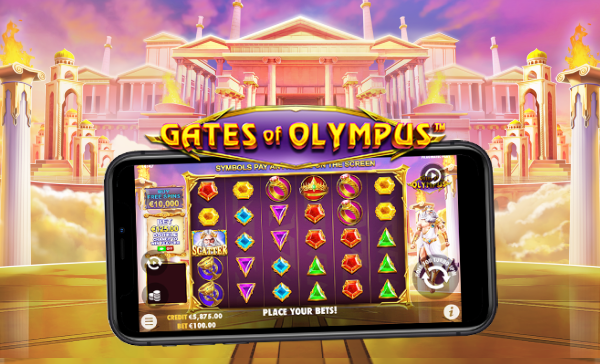
Today, the myths of Olympus permeate various forms of media, including video games, movies, and literature. The Gates of Olympus theme particularly resonates in slot games, where symbols representative of the gods and their powers create an immersive experience for players. This adaptation of ancient mythology into modern entertainment allows a new generation to engage with timeless stories in a continuously evolving context.
In video games, for instance, characters based on Zeus, Athena, and other deities deliver narratives that echo the ancient tales of heroism, downfall, and divine intervention. Such portrayals offer players not only entertainment but the opportunity to interact with the myths, making choices that impact the story journey, thus bridging the gap between ancient narrative and modern digital storytelling.
Conclusion: The Enduring Legacy of the Gates of Olympus
The legacy of Olympus is a testament to humanity’s enduring fascination with the divine, offering a window into the values, fears, and aspirations of ancient civilizations. The Gates of Olympus stand not only as a mythical gateway to the gods but as a symbol of the intersection between the familiar and the otherworldly. As long as stories are told and myths are shared, the essence of these deities, their struggles, and their triumphs will continue to captivate hearts and minds.
As we delve deeper into the Gates of Olympus, we are reminded of the power of storytelling and mythology in shaping our cultural landscape. It reinforces the timeless relevance of these ancient tales, encouraging us to reflect on our own lives and the narratives we weave in our quest for understanding, connection, and meaning.